
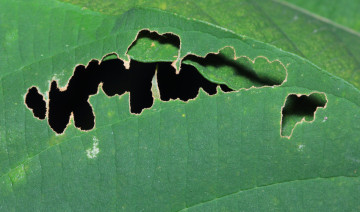
As summer begins to wind down, your garden may still be producing beautiful blooms and abundant harvests. However, late summer is also a time when many garden pests become especially active. Warm temperatures and maturing plants create ideal conditions for insects and other pests looking for a final feast before cooler weather arrives.
The good news is that regular monitoring and early action can help keep pest problems from getting out of hand. Here's what to watch for and how to help protect your lawn and garden as the growing season continues.
Many insects complete multiple life cycles throughout the growing season, meaning populations can build over time. By late summer, gardeners may notice an increase in pest activity as insects search for food and suitable places to reproduce before fall.
Weather can also play a role. Hot, dry conditions may stress plants, making them more vulnerable to damage, while warm, humid weather can encourage both insect activity and plant diseases.
You don't always have to spot the insect itself to know there's a problem. Keep an eye out for signs such as:
Inspecting plants regularly makes it easier to catch issues before they spread.
While pest activity varies by region, these are among the most common visitors gardeners encounter later in the growing season.
Aphids are tiny, soft-bodied insects that feed on plant sap. They often gather on new growth, flower buds, and the undersides of leaves.
Look for:
Many caterpillars feed on leaves, flowers, and vegetables during late summer.
Signs include:
Hand-picking caterpillars when practical is often an effective first step.
These tiny pests thrive during hot, dry weather and can be difficult to spot.
Watch for:
Keeping plants properly watered can help reduce stress that makes them more susceptible.
Various beetle species may feed on flowers, ornamental plants, and vegetables.
Common signs include:
Inspect plants regularly to identify problems early.
Whiteflies are small insects that often hide on the undersides of leaves.
You may notice:
Early treatment is generally easier than managing large populations.
In areas with frequent rainfall or irrigation, slugs and snails may continue feeding well into late summer.
Look for:
Removing hiding places and watering early in the day may help reduce activity.
Not every insect in your garden is a pest. Many beneficial insects help naturally control unwanted populations.
Helpful garden visitors include:
Planting a variety of flowering plants and minimizing unnecessary pesticide use can help support these beneficial insects.
Healthy plants are often better able to tolerate occasional pest damage.
Support plant health by:
Reducing plant stress can make your garden less attractive to certain pests.
One of the best ways to manage pests is through routine observation.
Spend a few minutes each week checking:
Early detection often allows for simpler, less intensive management.
Removing damaged plant material helps reduce places where pests can hide or reproduce.
Throughout late summer:
A tidy garden can discourage many common pests.
Integrated Pest Management (IPM) combines prevention, monitoring, and targeted control methods to manage pests while minimizing impacts on beneficial insects and the environment.
Depending on the situation, IPM strategies may include:
Choosing the least disruptive solution first often leads to healthier, more balanced gardens.
Late summer is an excellent time to evaluate what worked well in your garden and identify areas for improvement next year. Keeping notes about recurring pest issues can help you plan crop rotation, companion planting, or preventative measures for future growing seasons.
With regular monitoring and good gardening practices, you can help your plants remain healthy and productive right through the transition into fall.
Whether you're looking for insect management products, garden tools, mulch, or expert advice, stop by. Our knowledgeable team is here to help you keep your garden thriving all season long.